
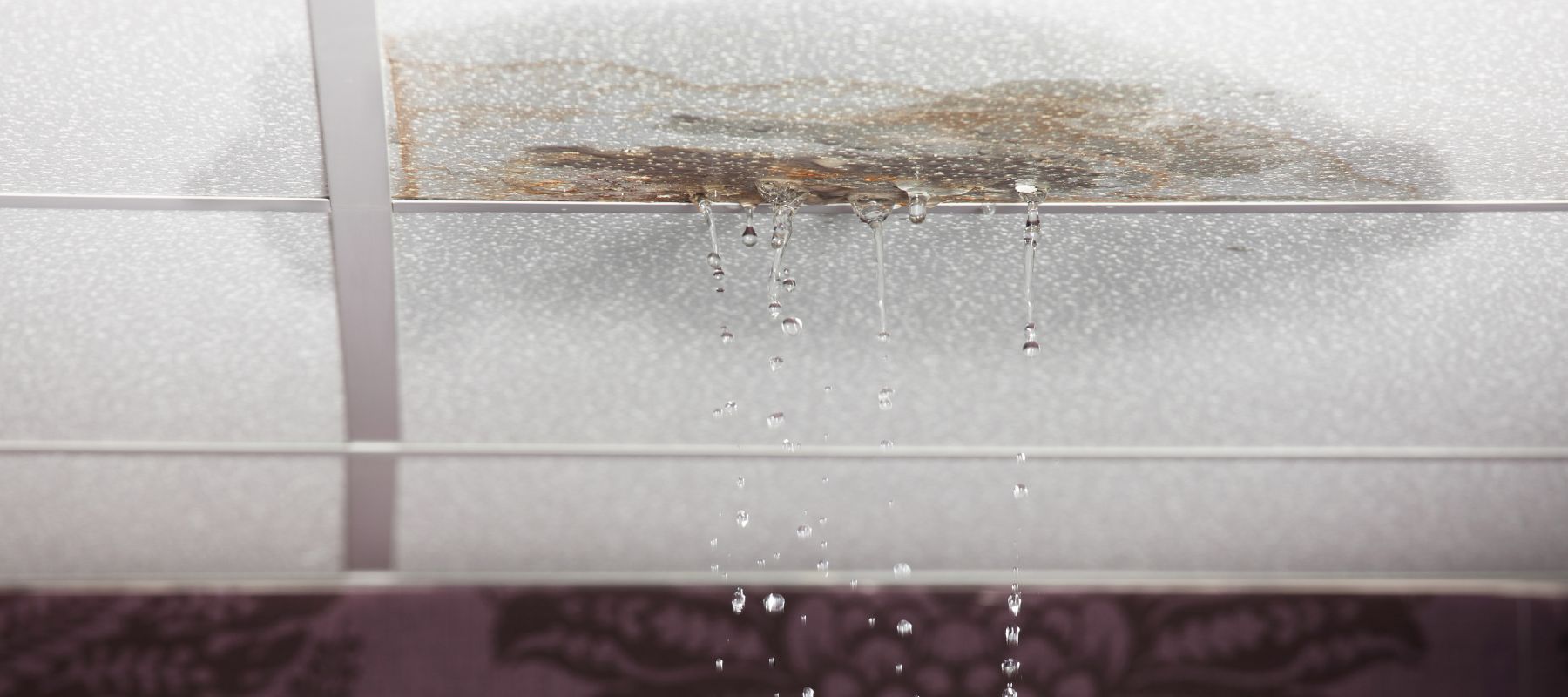
The Long-Term Effects of Leaks: What’s Happening Behind Your Walls
Understanding the Long-Term Effects of Water Leaks
When a water leak goes undetected, the long-term effects on a property can be devastating, ranging from compromised structural integrity to toxic mold growth and soaring utility bills. Over time, hidden water leak damage rots wooden framing, ruins drywall and weakens foundations, turning a minor issue into an expensive renovation. Recognizing the early signs of water damage and understanding how to prevent it through regular leak detection are two of the most effective ways homeowners can safeguard their property investment and maintain a healthy living environment.
Recognizing the Early Signs of Water Damage
Many homeowners assume a leak will make itself obvious with a dramatic puddle or a rushing sound. In reality, the most damaging plumbing and AC leaks happen silently, tucked away out of sight. Catching the problem early requires knowing exactly what to look for before minor leaks escalate into a major headache.
Common signs of water damage include:
- An unexplained jump in your monthly water bill.
- Musty, damp odors that persist even after cleaning.
- Warm spots on your floors or the sound of rushing water when no taps are running.
- Cracked, warped or buckling flooring.
Critical Signs of Water Damage in Walls
Because your plumbing and AC drain lines run behind your drywall, the walls themselves are often the first to reveal a hidden problem. Keep a close eye out for peeling or blistering paint, sagging drywall and unexplained discoloration. Visible stains or soft, spongy spots are clear signs of water damage in walls, indicating water has been pooling for some time. If your walls are starting to look wrinkled or distorted, your home is trying to tell you something is wrong.
The Hidden Risks of Unresolved Water Leak Damage
When water stays where it shouldn’t be for weeks or months, the consequences extend far beyond a simple plumbing fix. Drywall acts like a sponge, drawing moisture upward and creating a perfect breeding ground for mold and mildew within 24 to 48 hours. This growth compromises your indoor air quality and can trigger allergies and respiratory issues for your family.
Furthermore, prolonged exposure to moisture degrades the physical integrity of your home. It rots wooden studs, rusts metal supports and can even crack concrete slabs. What starts as a tiny drip can quietly evolve into severe structural water-leak damage, permanently lowering your property’s value and costing a fortune to remediate.
How to Prevent Water Damage with Regular Leak Detection
The good news is that you do not have to play a guessing game with your home’s infrastructure. Homeowners can easily learn how to prevent water damage through regular leak-detection routines. Combining proactive monthly habits with professional technology helps ensure your home stays dry and secure.
Regularly checking under sinks, monitoring your water meter when no water is running and scheduling annual professional inspections are your best defenses. At McCullough, our specialists use advanced, non-invasive equipment and thermal imaging to pinpoint hidden moisture without tearing apart your home. Catching a weak point early means a simple, affordable fix rather than a chaotic emergency renovation later.
Get Proactive and Protect Your Home Today
Your home is your sanctuary, and keeping it safe should not be stressful. Whether you’ve spotted a suspicious stain on the ceiling or just want peace of mind that your pipes and AC drain lines are working as they should, McCullough is ready to help. We bring the friendly, expert care you deserve, backed by 24/7 availability when you need us most.
Call the McCullough experts or book your diagnostic inspection online to keep your home safe, comfortable and dry.
Frequently Asked Questions About Leak Detection
Can a hidden water leak affect my AC system?
Absolutely. Clogged AC condensate drain lines can back up and overflow, causing rapid water damage to your ceilings and walls. Regular HVAC maintenance combined with professional leak detection helps ensure your cooling system drains safely and efficiently.
How do professionals find leaks without cutting into my walls?
We use state-of-the-art, non-invasive technology like thermal imaging cameras and acoustic listening devices. This allows us to trace the exact source of moisture behind drywall or under concrete slabs without causing unnecessary damage to your home.
Does homeowners insurance cover water leak damage?
Generally, insurance policies cover sudden and accidental water damage, such as a burst pipe. However, damage caused by prolonged, neglected leaks or a lack of routine maintenance is often excluded. This is why routine leak detection is so crucial for protecting your investment and ensuring coverage.