What Niceville Homeowners Should Know About Post-Storm Plumbing Damage
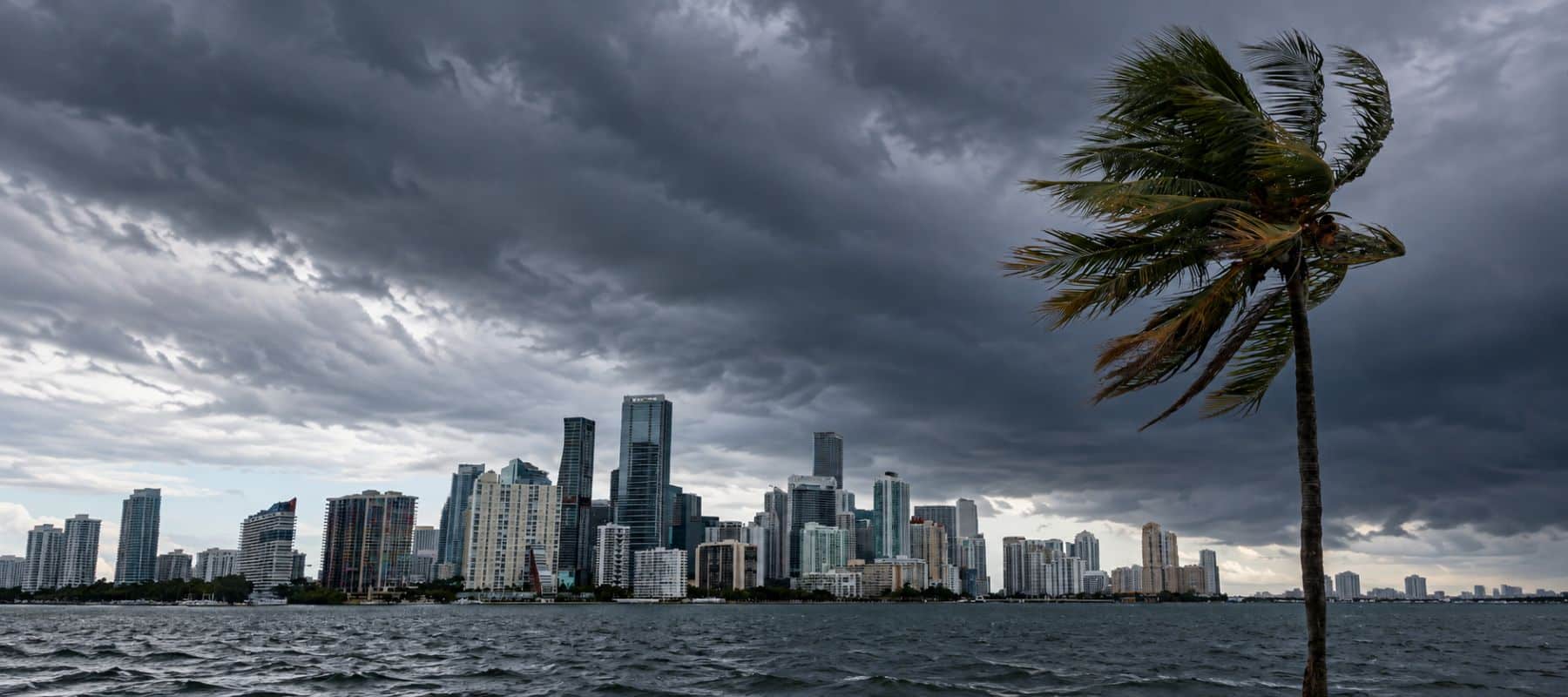
After a hurricane passes through Northwest Florida, homeowners often focus on visible damage, such as fallen branches or roof damage. However, plumbing problems aren’t always as easy to spot. Severe weather can put unexpected strain on your home’s plumbing system, causing hidden damage that may not become noticeable until days or weeks later.
Knowing what to do after a hurricane can help you catch potential plumbing problems before they lead to costly repairs. With over 40 years of experience serving Niceville and surrounding communities, McCullough Air Conditioning, Plumbing & Electrical is here to help homeowners recognize warning signs and take the right steps to protect their plumbing.
How Can Hurricanes Affect Your Home’s Plumbing?
Hurricanes can cause more than surface-level damage to your home. In coastal communities like Niceville, excessive rainfall and flooding can overwhelm drainage systems, while saturated soil may shift around underground pipes, increasing the risk of leaks or damage.
What To Do After A Hurricane: Your Plumbing Inspection Checklist
Once the storm has passed and it’s safe to return to your normal routine, checking your home’s plumbing should be part of your post-hurricane cleanup. Inspect these areas for signs of damage.
Check For Visible Leaks And Pipe Damage
Start by looking beneath sinks, around toilets and near exposed pipes for signs of a leak. Damp cabinets, unexpected puddles or new water stains may point to storm-related damage.
If you notice an active leak, shut off your home’s main water supply if it’s safe to do so and contact a professional plumber.
Inspect Your Water Heater
If your water heater was exposed to floodwater, avoid turning it on until a qualified professional has inspected it. Flooding can damage internal components and create safety concerns, particularly with electrical connections or gas controls.
Watch For Slow Drains And Sewer Backups
Heavy rainfall can overwhelm sewer infrastructure and contribute to drainage problems. If several drains are slow, toilets are backing up or you notice sewage odors, your plumbing may need professional attention.
Avoid using affected fixtures if you suspect a sewer backup, as continued water use could make the situation worse.
Examine Outdoor Faucets And Plumbing
Fallen branches and storm debris can damage exposed plumbing around your property. Once the area is safe, inspect outdoor faucets and visible pipes for cracks, leaks or loose connections.
Pay Attention To Water Pressure And Quality
Changes in water pressure after a hurricane may signal a problem with your home’s plumbing or the local water supply. Discolored water or unusual odors can also indicate that further investigation is needed.
If flooding may have contaminated your water supply, follow local utility advisories and avoid using potentially unsafe water for drinking or cooking until authorities confirm it’s safe.
How To Protect Your Plumbing Before The Next Storm
While you can’t prevent severe weather, a little preparation can help reduce the risk of plumbing damage during hurricane season. Taking care of existing issues and knowing how to respond before a storm arrives can make a difference.
Here are a few ways to prepare your home’s plumbing:
- Address existing leaks: Even minor plumbing problems can worsen during severe weather, so it’s best to schedule repairs before a storm approaches.
- Keep outdoor drains clear: Remove leaves and debris from accessible drainage areas to help rainwater flow away from your home.
- Know where your main water shutoff valve is: Familiarize yourself with its location so you can quickly turn off the water if a pipe breaks or a major leak develops.
- Secure exposed outdoor plumbing: Check that outdoor fixtures and visible pipes are properly secured and protected from potential storm debris.
Keep Your Plumbing In Good Shape After A Hurricane
Hurricane cleanup can feel overwhelming, but knowing what to look for can help you catch plumbing problems before they turn into bigger headaches. Whether you’ve noticed signs of damage or simply want peace of mind after a storm, having a trusted local plumber can make all the difference.
For over 40 years, McCullough Air Conditioning, Plumbing & Electrical has helped homeowners throughout Niceville and surrounding Northwest Florida communities care for their homes. If your plumbing needs attention after severe weather, our experienced team is here to help. Contact us today to schedule plumbing service!
Frequently Asked Questions
Can A Hurricane Affect My Home’s Water Bill?
Yes. Storm-related plumbing damage can lead to hidden leaks that increase water usage. If your water bill suddenly rises after a hurricane without a change in your normal usage, a professional leak detection service may help identify the cause.
Is It Safe To Use My Plumbing During A Power Outage?
In many homes, toilets and faucets can still work without electricity if municipal water service remains available. However, homes that rely on electric well pumps or sewage ejector pumps may experience interruptions. Always follow local utility advisories before using your plumbing.
Does Homeowners Insurance Cover Hurricane-Related Plumbing Damage?
Coverage depends on your insurance policy and what caused the damage. Some policies may cover plumbing damage resulting from wind-related events, while flood damage typically requires separate flood insurance. Contact your insurance provider to understand your coverage.
Should I Schedule A Plumbing Inspection Even If My Home Wasn’t Flooded?
Not necessarily. If your plumbing is functioning normally and there are no signs of damage, an inspection may not be needed. However, if your property experienced significant storm impacts or you suspect underground pipe damage, a professional inspection can provide additional peace of mind.