
Keep the Lights On When Destin Storms Roll in
Power outages on the Gulf Coast do not wait for a convenient moment. One minute the sun is out, the next a fast-moving thunderstorm or late-season hurricane band knocks the power out across Destin, right when family or guests are settled in. The house heats up, the fridge stops, devices die, and anyone who depends on medical equipment or works from home feels that stress right away.
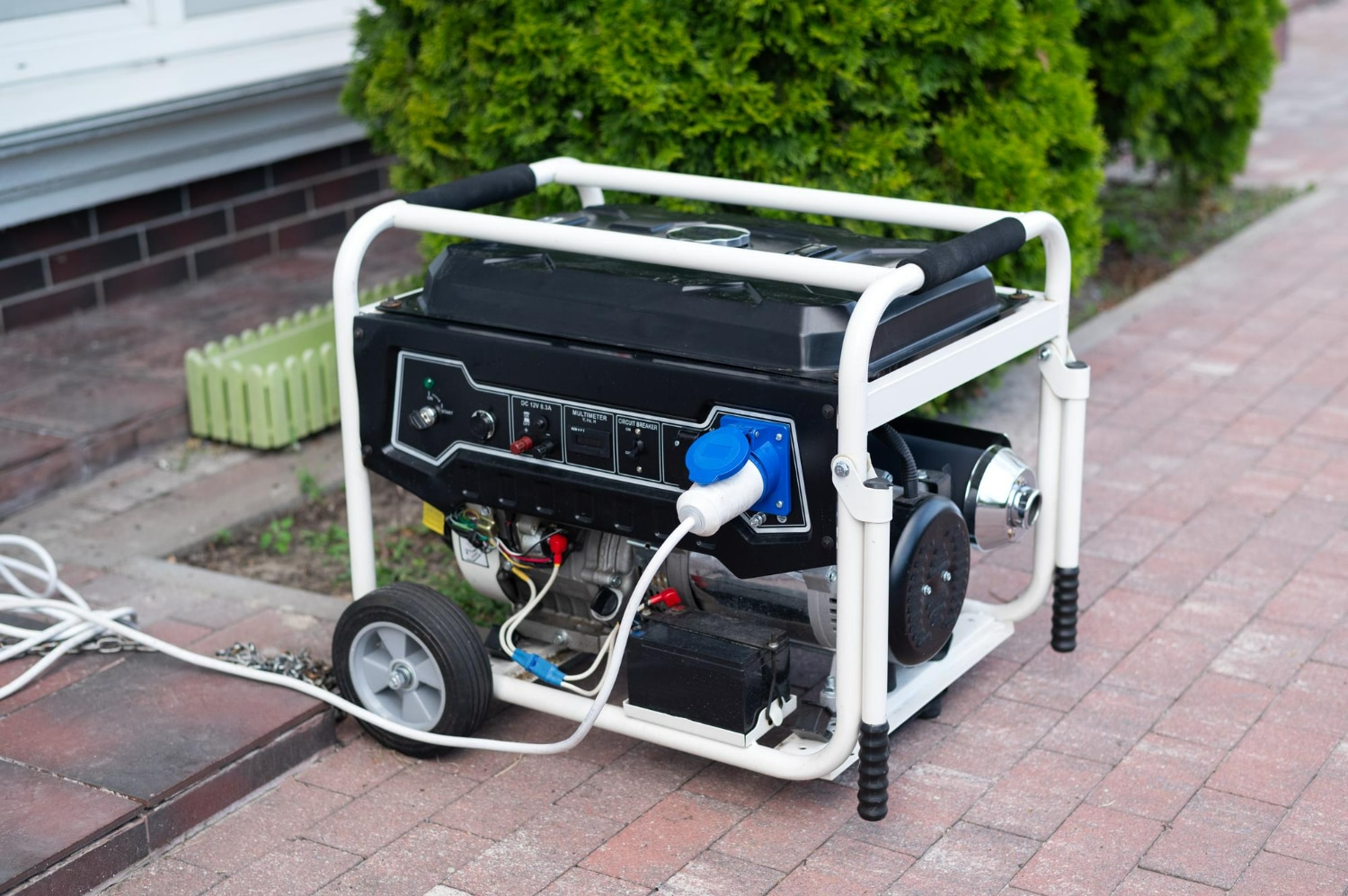
A whole-home generator changes that story. It keeps your A/C running, protects your food, keeps medical devices powered, and lets vacation renters stay comfortable instead of scrambling for flashlights. It is about comfort, but it is also about safety and keeping life moving when the grid goes quiet.
Beachside homes have special challenges though. Many homeowners plan for backup power but overlook how different generator installation in Destin really is. Our goal is to walk through those hidden details so your system is built to last on the Gulf Coast, not just look good on day one.
Coastal Conditions That Can Ruin a Good Generator Plan
Life near the water is great, but the same things that make the coast beautiful can be hard on equipment. Generators sit outside all day, every day, right in the middle of that salty air.
Salt, humidity, and wind driven sand can:
- Speed up rust and corrosion on the housing and frame
- Damage exposed wiring and small metal parts
- Work their way into vents and moving pieces
To protect your investment, it helps to think about:
- Corrosion-resistant materials and finishes
- A quality enclosure that sheds water and blocks sand
- Placement away from constant salt spray and areas that stay damp
Flood zones add another layer. Many Destin lots sit low or have areas that hold water after a heavy rain or high tide. A generator in the wrong spot can end up sitting in standing water when you need it most. Good planning usually includes:
- A raised, secure pad that keeps the unit above minor flooding
- Careful placement so water drains away instead of pooling under it
- Anchoring designed for local wind conditions
Wind is also a big deal close to the coast. Strong gusts turn yard debris into flying objects. The generator has to be anchored well, with enough clearance so branches, trash cans, or loose items are less likely to slam into it.
Noise is another thing many owners do not think through until after installation. Destin neighborhoods can be tight, and short-term rentals sit close together. A loud unit right under a bedroom window or near a neighbor’s patio can lead to complaints. To keep the peace, it helps to look at:
- Models with sound-attenuated enclosures
- Locations that block sound with walls or landscaping
- A layout that keeps the generator away from outdoor hangout areas
Good placement is not only about code and safety. It is also about keeping your place and your neighbors’ homes calm and comfortable during those weekly test runs and long outage periods.
Hidden Technical Details That Make or Break Performance
Picking a generator is not just about grabbing something big and hoping for the best. The size and setup have to match how you actually live in your home.
Some homes only need to keep a few items running, like:
- Refrigerator and freezer
- A few key lights and outlets
- Wi-Fi equipment
- A small medical device
Other homes need much more, such as:
- Central A/C or multiple A/C systems
- Well or irrigation pumps
- Pool equipment
- Home office gear or charging stations for many devices
We look at two main styles of backup:
- Whole-home backup, which powers almost everything and feels close to normal life
- Essential-circuit backup, which focuses on the most important loads so you stay safe and comfortable
A proper load calculation looks at starting currents on big equipment, not just running wattage. This helps avoid surprises like the A/C trying to start and tripping the system during a storm.
Your electrical panel, gas supply, and plumbing setup also matter. Older electrical panels may not be ready for the extra power or the automatic transfer switch. Gas or propane lines might be too small to feed the generator and other appliances at the same time. That is why it helps to think of generator installation in Destin as part of your whole home system, not a standalone add-on.
The automatic transfer switch is the “traffic cop.” When the grid fails, it safely moves power from the utility to the generator. When the utility comes back, it switches back again. Pair that with smart controls, and you can:
- Get alerts if the generator has a fault
- Check status from your phone while you are out of town
- See test run history for peace of mind
This is especially helpful if your Destin property is a second home or a vacation rental that you manage from a distance.
Local Codes, HOA Rules, and Permits Many Owners Miss
Along the Gulf Coast, you cannot just drop a generator wherever there is space and call it a day. Local codes, coastal rules, and permits all come into play.
City and county regulations cover:
- Required permits and inspections
- Electrical and gas safety standards
- Wind and flood zone requirements that affect pad height and anchoring
Placement too close to windows, doors, or property lines can trigger problems during inspection. Getting it right on the front end saves a lot of frustration.
If you live in a neighborhood with a homeowners’ association, there are often extra rules about:
- Where the unit can sit on the lot
- How visible it is from the street or neighbor yards
- Noise limits and hours for weekly test runs
- Screening with fencing or landscaping
Having a clear plan, with product information and placement drawings, usually makes approvals smoother and helps avoid last-minute changes.
There can also be long-term benefits. A professionally installed, permitted generator often makes a home more attractive to buyers who care about storm readiness and steady power. Some insurance carriers may also look more favorably on homes that have documented backup power and up-to-date electrical work, especially in storm-prone zones.
Maintenance Mistakes That Leave You in the Dark
Putting a generator in is only the first step. Keeping it ready is just as important, and beachside homes need more attention than homes farther inland.
Salt air, moisture, and sand wear things down faster. Without regular care, small rust spots spread, contacts corrode, and filters clog. A simple routine usually includes:
- A detailed check before the heart of hurricane season
- Visual inspections for rust, loose wiring, or damage
- Cleaning to remove sand and debris around the unit
Fuel and batteries are two of the most common failure points. Generators often fail to start because:
- Propane is low or gas flow is restricted
- Fuel has gone stale in smaller backup setups
- The battery is weak or has loose connections
- Exercise cycles have been skipped for months
Routine test runs help catch these issues before the next outage, not during it. Professional maintenance can include checking voltage output, tightening connections, verifying transfer switch operation, and testing safety systems.
When storms roll through the Gulf Coast, problems do not always wait for business hours. Having local, 24/7 support means if something goes wrong, you are not trying to figure it out alone in the dark while the wind and rain are picking up. That quick response is a big reason many Destin homeowners feel comfortable depending on their generator year after year.
Be Ready Before the Next Storm Cloud Forms
Every spring, as the calendar edges toward storm season, interest in backup power jumps. Supply chains tighten, schedules fill, and last-minute projects get harder. Planning early lets you choose the right equipment, placement, and setup without racing the radar.
At McCullough Air Conditioning, Plumbing & Electrical, we live and work in the same Gulf Coast communities we serve, including Destin and nearby areas. We understand the mix of salt, sun, wind, and local rules that shape every beachside generator project, and we pay attention to how your HVAC, plumbing, and electrical systems all work together.
With a thoughtful plan, careful installation, and the right maintenance, your generator can be one less thing to worry about when the clouds start to build over the Gulf.
Protect Your Home With Reliable Backup Power Today
If you are ready to keep your lights, AC, and essential appliances running during the next outage, we are here to help with professional generator installation in Destin. Our licensed team at McCullough Air Conditioning, Plumbing & Electrical will evaluate your home’s needs and recommend a system you can count on. To schedule a consultation or ask questions, simply contact us and we will walk you through every step.