
What Is the Most Common Type of Leak in Your Home?
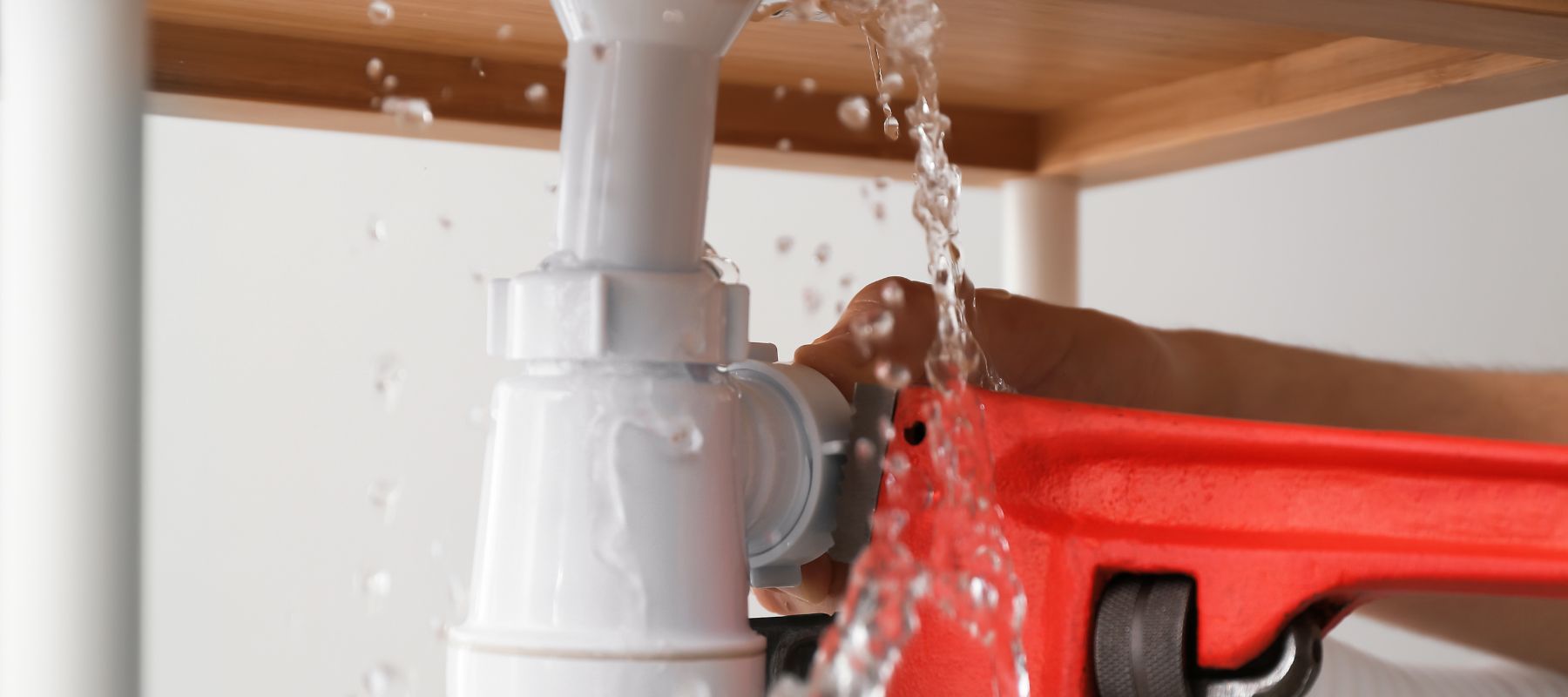
Plumbing leaks are more than just a nuisance—they’re a leading cause of property damage and high utility bills for homeowners along the Emerald Coast. Whether it’s a slow drip under the kitchen sink or a hidden pinhole leak inside a wall, identifying the source is the first step toward protecting your home.
At McCullough Air Conditioning, Plumbing & Electrical, we help residents understand the why and where of water leaks so they can take action before a small drip becomes a major flood.
Identifying Common Plumbing Leaks
While a home’s plumbing system is vast, most moisture issues originate from a few specific high‑traffic areas. Knowing where problems usually develop makes it easier to keep an eye on your home.
Faucet And Fixture Leaks
By far the most frequent issue homeowners encounter is a leaking faucet. Often caused by worn‑out washers, O‑rings or corroded valve seats, these leaks can waste hundreds of gallons of water per month. While they seem minor, the constant moisture can damage finishes and encourage mold growth inside your cabinets.
Toilet Leaks
A leaking toilet is often silent, meaning you won’t see a puddle on the floor. Instead, water leaks from the tank into the bowl due to a faulty flapper or fill valve. Over time, that constant trickle can cause a noticeable jump in your water bill.
Water Heater Leaks
As water heaters age, sediment buildup can cause the tank to corrode or the pressure relief valve to fail. If you notice water pooling around the base of your unit, call for service right away to help prevent a total tank failure. Our team are experts in water heater repairs and replacements so we can help you get back to comfortable showers and clean dishes.
Slab Leaks And Underground Pipe Failure
In our region, shifting soil and corrosion of copper pipes can lead to leaks beneath the concrete foundation of your home. These are among the most destructive common plumbing leaks because they often go unnoticed until you see warm spots on the floor, cracks in the slab or walls, or unexplained damp areas. These leaks can be tricky to find that’s why we offer professional leak detection services.
What Causes Plumbing Leaks?
Understanding what causes plumbing leaks can help you extend the lifespan of your fixtures and pipes. Most leaks are the result of one of the following factors:
- High water pressure: While a powerful shower feels great, excessive pressure (above 80 PSI) stresses your pipes, joints and appliances, leading to eventual leaks or bursts.
- Corrosion: Older homes with copper or galvanized steel pipes eventually succumb to the natural chemistry of water, leading to thinning pipe walls and pinhole leaks.
- Clogged drains: When a drain backs up, standing water builds internal pressure and introduces caustic materials that can degrade pipe seals over time.
- Temperature fluctuations: Rapid temperature changes cause pipes to expand and contract, which can weaken the structural integrity of the joints.
Proactive Maintenance: How To Prevent Plumbing Leaks
Prevention is the most cost‑effective plumbing strategy. You can significantly reduce the risk of water damage by following these steps:
- Monitor your water bill. An unexplained increase in cost is often the first sign of a hidden leak.
- Check the water pressure. Install a pressure gauge on an outdoor spigot to ensure your home stays within the safe range (40–65 PSI).
- Inspect exposed pipes. Regularly look under sinks and around your water heater for signs of moisture, greening on copper or rust.
- Schedule annual inspections. A professional plumber can spot thinning pipes or failing valves long before they leak.
Frequently Asked Questions
How can I tell if I have a hidden leak?
The easiest way is to check your water meter. Turn off all water inside and outside the house, then check the meter. If the dial is moving, you likely have a leak.
Why does my faucet keep leaking even after I replaced the washer?
The valve seat may be corroded or pitted, preventing the washer from making a watertight seal. In many cases, replacing the entire fixture is more cost‑effective than repetitive small repairs.
Are pinhole leaks dangerous?
Yes. Because they are so small, they often go undetected for months, allowing water to saturate drywall and insulation and creating a perfect environment for toxic mold.
Stop the Drip Today
Don’t let a small leak turn into a big headache. Whether you need an emergency repair or a professional inspection to find a hidden problem, the team at McCullough is ready to help.
Schedule your leak detection and repair today